Society of St. Francis Xavier, Pilar’s Fr. Conceicao Rodrigues College of Engineering

Society of St. Francis Xavier, Pilar’s

Society of St. Francis Xavier, Pilar’s

Fr. Conceicao Rodrigues College of Engineering

An Autonomous Institute Affiliated to University of Mumbai | NAAC "A" Grade Accredited

Fr. Agnel Ashram, Bandstand, Bandra (W), Mumbai: 400050

Science & Humanities

Where hardware and software unite to engineer the future of smart technology.

About

The Department of Humanities & Science caters to the requirements of the first year engineering curriculum of the University of Mumbai. The Department aims to equip first-year students with fundamentals in the applied sciences and communication skills. Courses such as Engineering Physics, Engineering Chemistry and Engineering Mathematics, provide the necessary foundation for understanding the concepts and applications in higher semesters. Courses in Professional Communication & Ethics train the students in corporate, social and ethical practices and ensure their holistic development.
The Department has competent faculty and excellent infrastructure facilities to fulfil the requirements of the course curriculum. The department organizes two week induction program consisting of Yoga sessions, sessions on environmental awareness, lectures on universal human values, expert lectures, interactive sessions with Department heads, Placement Cell, Student Council, etc. A professional counsellor is available in the department to help the students to sort out their personal and professional issues.
Objectives of the Department
  • To strengthen the fundamental knowledge in Physics, Chemistry & Mathematics.
  • To develop the ability to communicate effectively as technical professional.
  • To provide an environment for working effectively in groups and follow ethical practices.
  • To create a firm foundation to further the engineering education of the students.
Highlights of the Department
  • Motivated and experienced faculty.
  • Faculties actively involved in coordinating co-curricular & extracurricular activities.
  • Well maintained laboratories with state of the art equipment.
  • Conducts induction and orientation program for the first year students to adapt themselves to the rigorous engineering curriculum.
  • Availability of professional counselor in the department.

Program Outcomes

Engineering Graduates will be able to​
  • Engineering knowledge: Apply the knowledge of mathematics, science, engineering fundamentals, and an engineering specialization to the solution of complex engineering problems.
  • Problem analysis: Identify, formulate, review research literature, and analyze complex engineering problems reaching substantiated conclusions using first principles of mathematics, natural sciences, and engineering sciences.
  • Design/Development of solutions: Design solutions for complex engineering problems and design system components or processes that meet the specified needs with appropriate consideration for public health and safety, and the cultural, societal, and environmental considerations.
  • Conduct investigations of complex problems: Use research-based knowledge and research methods including design of experiments, analysis, and interpretation of data, and synthesis of the information to provide valid conclusions.
  • Modern tool usage: Create, select, and apply appropriate techniques, resources, and modern engineering and IT tools including prediction and modeling of complex engineering activities with an understanding of the limitations.
  • The engineer and society: Apply reasoning informed by the contextual knowledge to assess societal, health, safety, legal and cultural issues and the consequent responsibilities relevant to the professional engineering practice.
  • Environment and sustainability: Understand the impact of the professional engineering solutions in societal and environmental contexts, and demonstrate the knowledge of, and the need for sustainable development.
  • Ethics: Apply ethical principles and commit to professional ethics and responsibilities and norms of the engineering practice.
  • Individual and teamwork: Function effectively as an individual, and as a member or leader in diverse teams, and in multidisciplinary settings.
  • Communication: Communicate effectively on complex engineering activities with the engineering community and with society at large, such as being able to comprehend and write effective reports and design documentation, make effective presentations, and give and receive clear instructions.
  • Project Management and finance: Demonstrate knowledge and understanding of the engineering and management principles and apply these to one’s work, as a member and leader in a team, to manage projects and in multidisciplinary environments.
  • Life-long learning: Recognized the need for, and have the preparation and ability to engage in independent and life-long learning in the broadest context of technological change.

Faculty Members

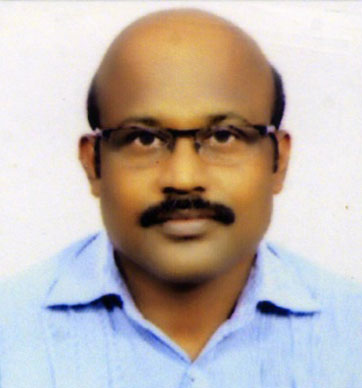
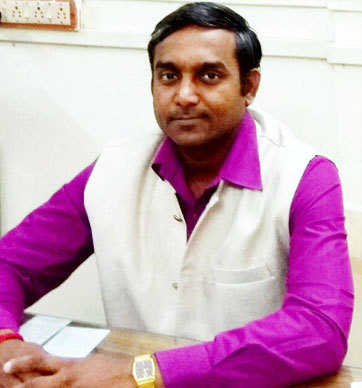
Associate Professor and Head of Department

Mr. Dileep Nair

Ph.D (Pursuing), M.Sc (Electronics)

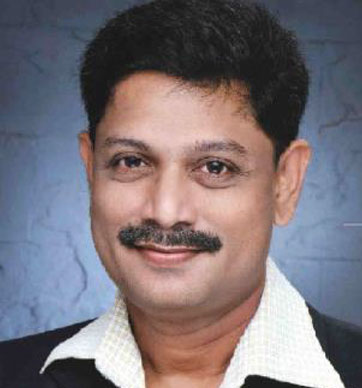
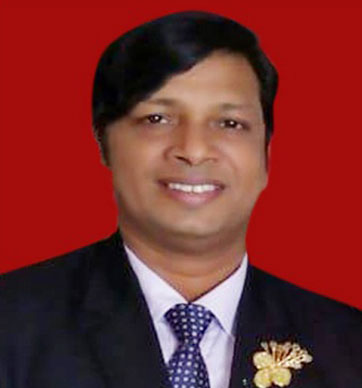
Assistant Professor
Dr. Hemant Khanolkar

Ph.D. (Chemistry)

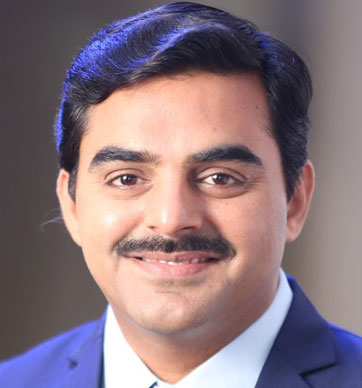
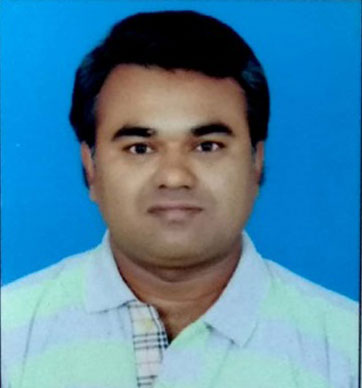
Associate Professor

Mr. Prasad Lalit

Ph.D (Pursuing), M.Phil.(Mathematics)

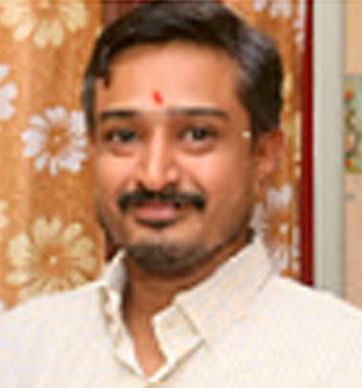
Assistant Professor
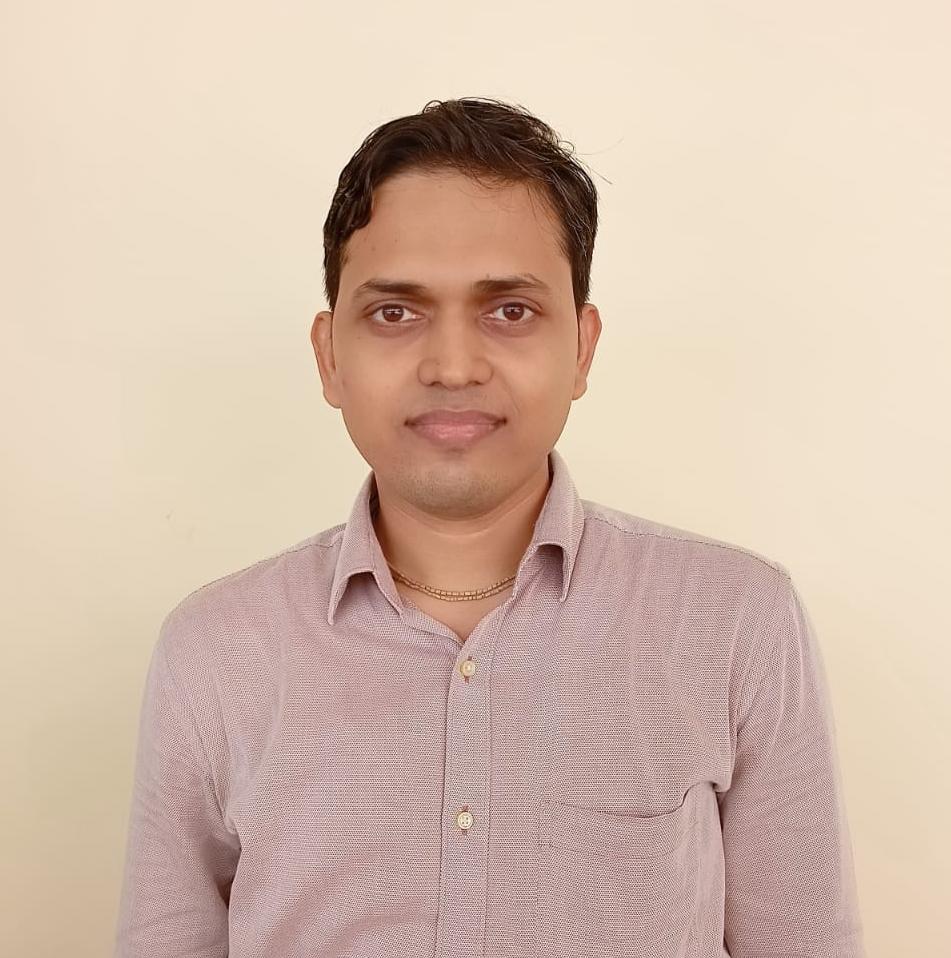
Dr. Sunil Yadav

Ph.D (Chemistry)

Assistant Professor
Dr. Joseph Rodrigues

Ph.D. (English)

Assistant Professor

Mr. Pradeep Singh

MSc. (Mathematics)

Assistant Professor

Dr. Dipak Bauskar

Ph.D. (Physics)

Assistant Professor

Mr. Gajendra Singh

M.Sc. B.Ed.(Mathematics)

Assistant Professor

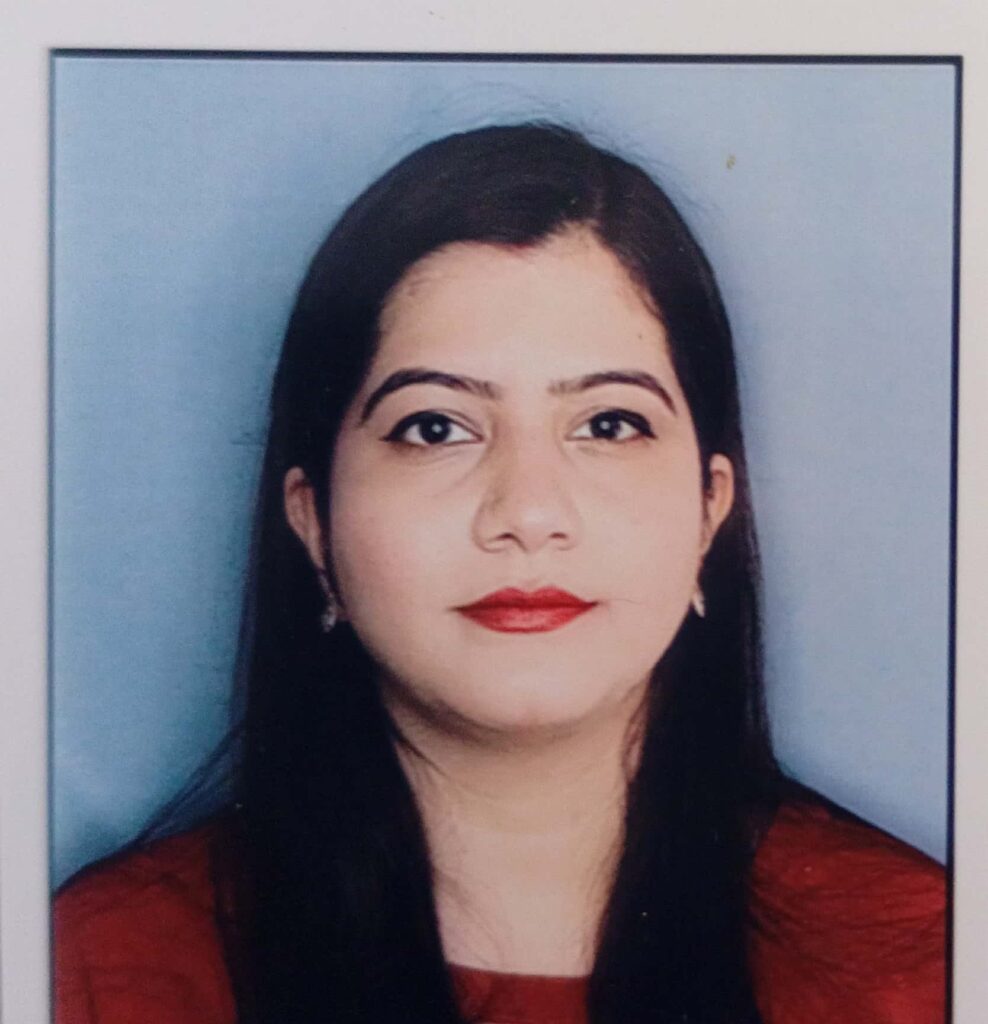
MS. AASTHA BHATIA

Ph.D (Pursuing), M.A. (English Lit.), B.Ed.

Assistant Professor
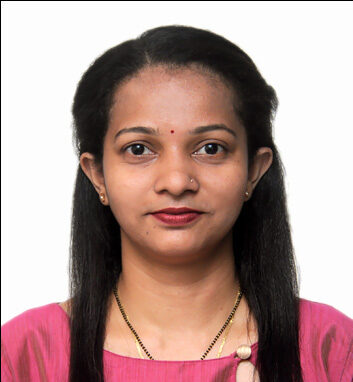
MS. GAUREE JAGUSHTE

M.Sc (Mathematics), B.Ed.

Supporting Staff

Laboratory Technician – Chemistry

Ms. Jyoti Kargutkar

Mr. Ajit Kamble

Mr. Ajay Koli

Laboratory Attendant

MR. PRAKASH YELWANDE

Infrastructure

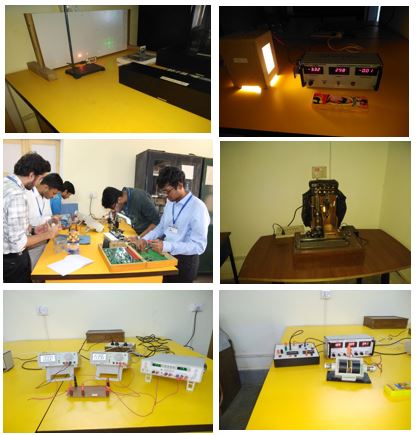
Physics Lab

This is the laboratory where the experiments related to the Engineering Physics –I and Engineering Physics – II are performed. The laboratory is well equipped with latest instruments and training kits.

Some of the Instruments available in the lab are: Ultrasonic Interferometer, Solar Cell, Hall Effect Apparatus,  Ultrasonic Distance Meter, Crystal Blocks (SCC, BCC, FCC etc.), P-N Junction Band gap measurement setup, He-Ne Lasers (632.8nm, 543.5nm & 612nm), Semiconductor diode lasers ( 650nm), Travelling microscopes, Plank’s Constant Apparatus, Optical spectrometers, Optical sources(Na, Hg, Ne), Diffraction gratings (1D & 2D), Newton’s Rings Apparatus, Air Wedge interference apparatus, Fibre Optic trainer  kit, Thermocouple experimental set up, Cathode Ray Oscilloscopes, Signal Generators, Digital Multi Meters, Regulated Power Supplies, etc.


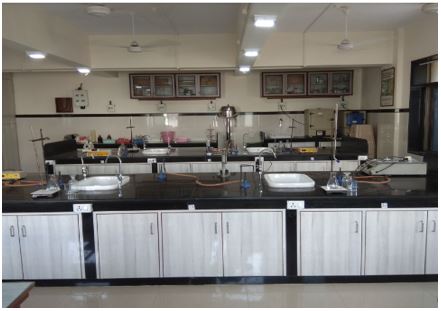
Chemistry Lab

This laboratory was established at the inception of the college. The laboratory is well equipped and dedicated to performing practicals of Applied Chemistry to all the branches of Engineering.

The laboratory caters to the necessary requirements of glassware and chemicals. Apart from this Instrumental facility available in the laboratory are as follows:

Instruments / Equipment Available: Potentiometer, Conductometer, pH- Meter, Melting Point Apparatus, Digital Colorimeter, Electronic weighing Balance, Water Distillation Plant, Oven, Furnace, Abel’s Flash Point Apparatus, Redwood Viscometer, Vicat’s Apparatus, Flue gas analyzer

Language Lab

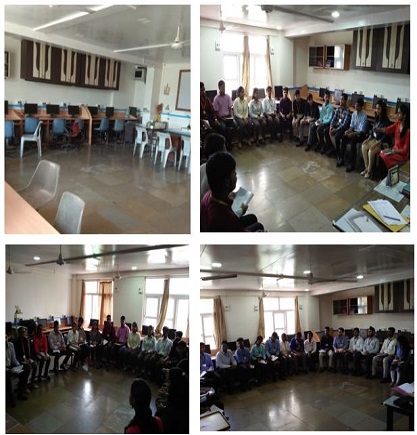
Good communication skills are indispensable for the success of any professional. The English language has become essential in the lives of young people who aspire to advance their careers anywhere in the world. English language learning has, therefore, become a must for any Indian student today. Reading, writing, listening and speaking: These four skills have to be practiced thoroughly. Being able to communicate well is the most important factor when seeking a placement in a company or institution.

Our language laboratory plays an important role in the language learning process. As it is a technological aid for learning, it has a number of advanced facilities that can help a student to learn a language with proficiency to communicate. The language laboratory is designed to assist learners in the acquisition and maintenance of aural comprehension, oral and written proficiency and cultural awareness

Class Rooms

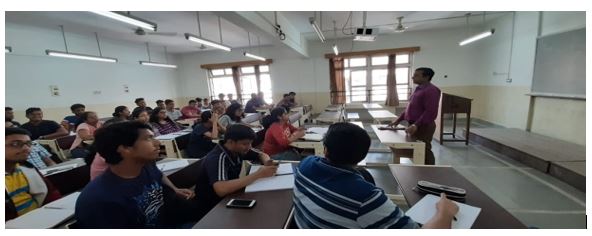
The department has 5 class rooms dedicated for the First Year students. The class rooms are spacious with Wi-Fi connectivity and equipped with multimedia projectors. The seating arrangements are ergonomically designed to have maximum comfort to the students for day long academic activities.